What is Blood Sugar?
Blood sugar is one of the body’s main sources of energy. Our body carefully controls the blood glucose levels in order to supply fuel for the brain, muscles, organs, etc. Blood glucose levels naturally fluctuate throughout the day. Persistently abnormal levels may indicate an underlying health condition and should be interpreted in the appropriate clinical context.
What are Normal Blood Sugar Levels?
To keep the body in check, there are recommended normal blood sugar levels that is necessary for healthy living. Additionally, blood sugar levels vary before and after a meal. For a non-pregnant adult, a fasting plasma glucose level below 100 mg/dL is generally considered normal.
Normal Blood Sugar Levels Chart
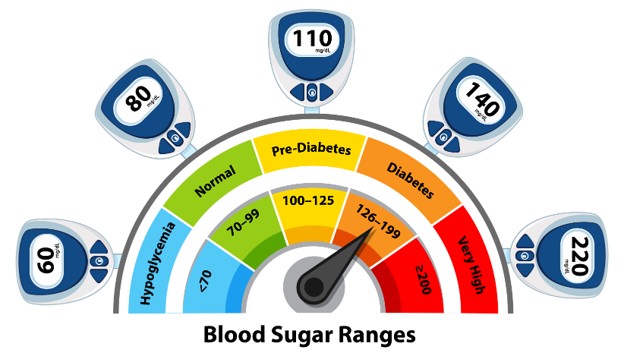
Everyone should be aware of the normal blood sugar numbers in order to keep a check on themselves and live a healthier lifestyle. The ranges indicated for healthy people are shown in the normal blood sugar levels chart below.
|
Blood glucose status |
Fasting plasma glucose |
2-hour glucose during 75-g OGTT |
|
Normal |
<100 mg/dL |
<140 mg/dL |
|
Prediabetes |
100–125 mg/dL |
140–199 mg/dL |
|
Diabetes |
≥126 mg/dL |
≥200 mg/dL |
These are diagnostic thresholds, not “normal blood sugar after an ordinary meal.” Diabetes Journals
Normal Blood Sugar Levels by Age and Health Condition
Our body is influenced by a variety of factors that affect normal blood sugar levels. The factors include age, health, pregnancy status, and the presence or absence of diabetes, etc. Different glucose goals may be needed in different circumstances.
Normal Blood Sugar Levels for Children:
For children without diabetes, fasting glucose below 100 mg/dL is generally considered normal. However, glucose interpretation in children should take age, clinical circumstances and the specific test into account.
Normal Blood Sugar Levels for Teenagers:
The criteria for teenagers include fasting glucose levels between 100 and 125 mg/dL indicating prediabetes. And, levels below 100 mg/dL are regarded as normal.
Normal Blood Sugar Levels for Adults:
A fasting glucose of less than 100 mg/dL is regarded as normal for adult blood sugar levels. The normal blood sugar levels across various age groups remain in similar range.
Normal Blood Sugar Levels for Seniors:
Blood glucose levels in older persons might also fall within the typical diagnostic limits.
Normal Blood Sugar Levels for Pregnant Women:
Blood glucose targets during pregnancy are different from diagnostic ranges and should be individualised. For many pregnant women with diabetes, commonly used treatment targets are fasting glucose <95 mg/dL, 1-hour post-meal glucose <140 mg/dL, and 2-hour post-meal glucose <120 mg/dL.
People with Diabetes (Type 1 & Type 2):
People with type 1 or type 2 diabetes are required to check their blood glucose levels regularly. The usual goal for people with diabetes is 80–130 mg/dL prior to meals. And less than 180 mg/dL after two hours of a meal. Also, health professionals aim an HbA1c of below 7%. is appropriate for many adults, although individual targets may differ.
Understanding Different Blood Sugar Tests
Fasting Blood Sugar (FBS):
Blood glucose is measured using fasting blood sugar after at least eight hours without eating or consuming caloric beverages. It is often done in the morning and is used to detect and diagnose diabetes and prediabetes.
Postprandial Blood Sugar (PPBS):
It is usually measured 2 hours after eating. It aids in evaluating the body’s reaction to meals.
Random Blood Sugar (RBS):
The RBS test can be conducted at any time. When combined with the typical signs of hyperglycemia, a random plasma glucose level of 200 mg/dL or greater indicates diabetes.
HbA1c Test:
An HbA1c test measures the amount of glucose attached to your haemoglobin. It shows your average blood sugar levels over 2-3 months. An HbA1c of 5.7% or below is regarded as normal, 5.7–6.4% is indicative of prediabetes, and 6.5% or more is the diagnostic threshold for diabetes.
How Blood Sugar Changes Throughout the Day
Our blood sugar levels are not always constant. It keeps fluctuating based on our food intake and our everyday activities. Usually, it stays the same during fasting times. However, after a meal, it increases because of carbs breaking down and then gradually decreases as our cells absorb the glucose.
What Causes Blood Sugar Levels to Rise or Fall?
Our blood sugar levels depend on numerous factors, including nutrition, exercise, medicine, disease, hormones, stress, and others, which can alter blood glucose levels.
Causes of High Blood Sugar
- Eating a large amount of carbohydrate-rich food
- Physical inactivity
- Stress or illness
- Certain medications, including some steroids
- Missing or taking insufficient diabetes medication
- Hormonal changes
- Dehydration
Causes of Low Blood Sugar
- Skipping or delaying meals
- Taking too much insulin
- Increased consumption of certain glucose-lowering medicines
- Increased physical activity
- Drinking alcohol without enough food
- Illness
- Inadequate food intake
Symptoms of Abnormal Blood Sugar Levels
Often times, you might not recognise the rise and fall in your blood sugar levels. Hence, it is essential to be familiar with signs that can help to identify abnormal glucose levels.
Signs of High Blood Sugar (Hyperglycemia)
- Increased thirst
- Frequent urination
- Fatigue
- Blurred vision
- Increased hunger
- Unexplained weight loss
Signs of Low Blood Sugar (Hypoglycemia)
- Shaking or trembling
- Sweating
- Hunger
- Headache
- Dizziness
- Irritability or confusion
- Weakness
How to Maintain Normal Blood Sugar Levels
One must keep a healthy lifestyle as it helps to maintain normal blood sugar levels. This will ultimately lower the risk of diabetes. Important measures include:
- Consume proper quantities of well-balanced meals.
- Limit added sugars
- Choose meals that are high in fibre.
- Stay physically active.
- Keep your weight in check.
- Make sure you get enough sleep.
- Control your stress and tension.
Foods That Support Healthy Blood Sugar
To maintain normal or healthy blood sugar levels, one must have a healthy lifestyle and a balanced diet. The diet must be rich in vegetables, whole grains, beans and lentils, nuts and seeds, lean protein, and unsweetened dairy products to align with the normal blood sugar levels chart. Moreover, fibre-rich food will help you slow down the digestion and absorption or carbohydrates.
Frequently Asked Questions
What is a normal fasting blood sugar level?
A fasting blood glucose level below 100 mg/dL is generally considered normal in non-pregnant individuals.
What should blood sugar be 2 hours after eating?
After 2 hours of eating, blood sugar levels should be less than 140 mg/dL for a non-diabetic person and shouldn’t be over 200 mg/dL for diabetic patients.
Is 110 mg/dL a normal blood sugar level?
No. The normal blood sugar levels is below 100 mg/dL. A fasting blood sugar level of 110 mg/dL is considered prediabetic. If it is measured after eating, its interpretation depends on when the sample was taken and the clinical context. A post-meal value should not be compared directly with fasting glucose criteria.
What is a healthy HbA1c level?
An HbA1c below 5.7% is generally considered normal. An HbA1c of 5.7–6.4% is in the prediabetes range, while an HbA1c of 6.5% or higher is in the diabetes range.
How often should blood sugar be checked?
A healthy individual does not require to keep monitoring the normal blood sugar levels unless advised by a healthcare professional. However, if you’re diabetic, you’ll need constant monitoring. It is usually at least once a day, but might differ based on your type of diabetes and treatment.
Can dehydration affect blood sugar readings?
Severe dehydration can contribute to elevated blood glucose levels and may affect blood glucose measurements. Staying adequately hydrated is important, particularly during illness or when blood glucose levels are high.