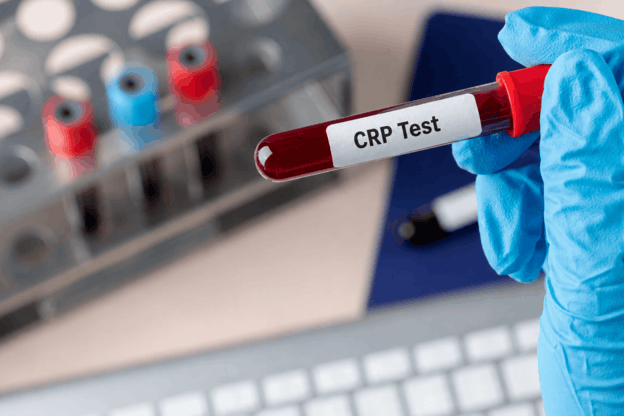
High Cholesterol Symptoms: Hidden Warning Signs Your Body Might Be Showing

High cholesterol is often called a silent condition, as it often remains unnoticed. Having too much LDL cholesterol can lead to a build-up of plaque in the arteries, which raises the risk of heart disease and stroke. Knowing the possible high cholesterol symptoms and understanding that high cholesterol symptoms may be absent can help identify the problem before complications develop.
Table of Contents
ToggleWhat Is High Cholesterol?
Our body consists of a waxy, fat-like substance called cholesterol. It is used to build cells, make hormones and perform other essential functions. The problem occurs when certain cholesterol levels become too high.
A lipid profile typically measures total cholesterol, LDL cholesterol, HDL cholesterol and triglycerides. LDL is sometimes considered “bad” cholesterol because too much LDL can help create plaque in the walls of arteries. HDL is dubbed “good” cholesterol because it carries good cholesterol back to the liver. High triglycerides can also pose a cardiovascular risk, especially if LDL is high or HDL is low.
What Are the Signs of High Cholesterol?
The most important point is that high cholesterol itself usually has no obvious warning signs. A person can have elevated LDL for years and feel completely healthy. Generally, a doctor comes across this condition during a routine blood testing, rather than high cholesterol symptoms.
When cholesterol contributes to atherosclerosis, however, symptoms may appear because blood flow is restricted. Possible warning signs include:
- Chest pressure or pain, particularly with exertion
- Breathlessness during physical activity
- Pain, weakness or fatigue in the legs while walking
- Pain spreading to the arm, shoulder, jaw or back during a cardiac event
- Sudden weakness, numbness, difficulty speaking or vision changes if a stroke occurs
These are not specific high cholesterol symptoms. They are possible manifestations of cardiovascular disease or reduced blood flow and should not be ignored.
In rare cases of very high or inherited cholesterol, physical findings such as xanthomas, xanthelasmas or a pale ring around the cornea may occur. These are more suggestive of markedly elevated or familial cholesterol than ordinary mild elevation.
Symptoms of High Cholesterol in Females
The symptoms of high cholesterol in females are generally not different from those in males because high cholesterol itself does not usually produce symptoms. However, cardiovascular disease can occasionally be less present in women.
A woman with cholesterol-related coronary artery disease may experience chest discomfort, shortness of breath, unusual tiredness, nausea, sweating or discomfort in the back, neck or jaw.
Women should pay attention to cardiovascular risk factors such as diabetes, high blood pressure, smoking, excess weight and family history. Cholesterol management should therefore be based on the lipid profile and overall cardiovascular risk rather than symptoms alone.
Symptoms of High Cholesterol in Males
The symptoms of high cholesterol in males are also usually absent. When cholesterol contributes to atherosclerosis, men may develop symptoms related to reduced blood flow, such as exertional chest pain, breathlessness or leg discomfort while walking.
Age, smoking, diabetes, high blood pressure, obesity and family history can increase cardiovascular risk. Familial hypercholesterolemia can lead to very high LDL from a young age.
What Causes High Cholesterol?
High cholesterol could be a result of several reasons as follows:
- A diet high in saturated and trans fats
- Excess body weight
- Physical inactivity
- Smoking
- Diabetes or insulin resistance
- Certain kidney, liver or thyroid disorders
- Some medications
- Increasing age
- A family history of high cholesterol
What Happens to Your Body When Cholesterol Stays High?
Plaque accumulation within the arteries is a consequence of elevated cholesterol levels. Atherosclerosis is the term used to describe this process. It gradually constricts blood flow and narrows arteries and could lead to angina, coronary artery disease, etc.
If arteries supplying the brain are affected, the risk of an ischemic stroke increases. Plaque can also affect arteries supplying the legs, contributing to peripheral artery disease and pain during walking.
The danger is cumulative. You may feel well while vascular changes develop silently. This is why prevention and regular cholesterol testing matter even when you have no high cholesterol symptoms.
How Is High Cholesterol Diagnosed?
A lipid profile or lipid panel is a blood test that is employed to evaluate cholesterol levels. It typically includes:
- Total cholesterol
- LDL cholesterol
- HDL cholesterol
- Triglycerides
The only way you could know if you have high cholesterol is through testing.
What Are Normal Cholesterol Levels by Age?
There is no single “normal” cholesterol number for everyone. Targets vary according to age and cardiovascular risk. The table below provides general reference points; your clinician may recommend a different target.
|
Age Group |
Total Cholesterol |
LDL Cholesterol |
HDL Cholesterol |
Triglycerides |
|
Children 0-9 years |
<170 mg/dL |
<110 mg/dL |
>45 mg/dL |
<75 mg/dL |
|
Children/Teens 10-19 years |
<170 mg/dL |
<110 mg/dL |
>45 mg/dL |
<90 mg/dL |
|
Adults 20+ years |
Generally <200 mg/dL |
Around <100 mg/dL is optimal for many adults |
≥40 men; ≥50 women |
<150 mg/dL |
How Can You Lower and Manage High Cholesterol?
Lifestyle changes are an important part of cholesterol management. It is necessary to focus on long-term habits rather than extreme diets. A healthy lifestyle would include ample vegetables, fruits, whole grains and various sources of soluble fibre. Maintain a healthy weight to also reduce cardiovascular risk. Replace foods rich in saturated fat with healthier unsaturated fats wherever possible.
When Should You See a Doctor?
Arrange a medical review if a blood test shows elevated cholesterol or triglycerides, especially if you have diabetes, elevated BP, obesity, smoke, have a strong family history of early heart disease or have previously had a heart attack or stroke.
Particular attention is needed when the LDL level is 190 mg/dL or higher, as it may suggest severe hypercholesterolemia or familial hypercholesterolemia.
Seek emergency medical care for sudden chest pressure or pain, severe breathlessness, fainting, or sudden weakness or numbness on one side of the body. These may indicate a severe condition and should not be dismissed as high cholesterol symptoms.
Frequently Asked Questions
Can High Cholesterol Cause Symptoms Without Warning?
Yes. High cholesterol can remain completely symptom-free while causing gradual artery damage. Even though you do not exhibit symptoms, that does not mean the cholesterol level is safe. Testing is the only reliable way to identify elevated cholesterol.
What Test Confirms High Cholesterol?
A lipid panel is the standard procedure used to identify abnormal cholesterol levels. It is a blood test that measures total cholesterol, LDL, HDL and triglycerides. Patients with cardiovascular risk might be recommended additional tests.
Can You Have High Cholesterol and Still Feel Healthy?
Absolutely. This is one of the main reasons cholesterol screening is important. Many people with elevated LDL have no symptoms until atherosclerotic disease becomes clinically significant. You can therefore have high cholesterol symptom-free for years.
Can High Cholesterol Cause Chest Pain?
No. High cholesterol is not a direct cause of chest pain. However, cholesterol-related plaque build-up can narrow coronary arteries and cause angina, which may feel like pressure, tightness or discomfort in the chest, especially during exertion.
What Test Confirms High Cholesterol?
A blood lipid panel confirms whether cholesterol and triglyceride levels are elevated. Your healthcare professional interprets the results alongside your age, medical history and other cardiovascular risk factors to determine whether treatment is needed.