Low Blood Pressure Symptoms: Recognising Hypotension and its Underlying Causes
Low blood pressure or hypotension is usually considered the reverse of high blood pressure. But a low reading isn’t always a threat. The worry is when the blood pressure is so low that blood supply to the brain and other organs is decreased, and you start feeling symptoms.
Table of Contents
ToggleWhat is Low Blood Pressure (Hypotension)?
Blood pressure is the pressure of your blood against the walls of your arteries. Blood pressure is recorded as two figures, which are systolic blood pressure, which indicates pressure when the heart contracts, and diastolic blood pressure, which indicates pressure when the heart relaxes.
Low blood pressure is usually defined as a value below 90/60 mmHg. But the number alone doesn’t tell you if hypotension is an issue. If someone is at this level all the time but is feeling really well they may not need treatment.
Alternatively, a fast drop from a person’s baseline blood pressure may elicit symptoms even if the blood pressure is not too low. So the healthcare expert thinks about the blood pressure reading and how the person feels.
What are the Most Common Low Blood Pressure Symptoms?
Symptoms of low blood pressure include:
- Weakness or dizziness
- Unusual weakness or tiredness
- Blurred eyesight or dull vision
- Sick feeling- trouble concentrating
- Confused
- Fainting or feeling faint
The low blood pressure symptoms in women are often the same as those males experience. But some women might have low blood pressure due to things like pregnancy, dehydration, heavy monthly bleeding or certain drugs.
Low blood pressure symptoms in men are also dizziness, weakness, blurred vision and fainting. The symptoms themselves are often not a clue to whether the underlying reason is sex linked or not. The cause and overall medical history are more important.
What Causes Low Blood Pressure?
There are numerous distinct causes of hypotension. It is vital to identify the reason, as therapy relies on what is causing the blood pressure to drop.
Dehydration: An imbalance occurs when the body loses more fluid than it takes in, and less blood is flowing through the blood vessels. This can cause blood pressure to drop. These can cause vomiting and diarrhoea, fever, excessive perspiration and not enough fluid intake.
Blood loss: If bleeding is severe enough to diminish circulating blood volume, blood pressure might drop rapidly. Heavy bleeding with weakness, dizziness, fainting, or a fast heartbeat demands urgent medical examination.
Heart disease: The heart’s capacity to sustain enough circulation may be compromised by problems of the cardiac rhythm, heart failure, heart attack and certain valve illnesses.
Endocrine and hormonal diseases: Blood pressure control may be affected by problems with the adrenal or thyroid glands. For others, diabetes can also cause issues with autonomic control.
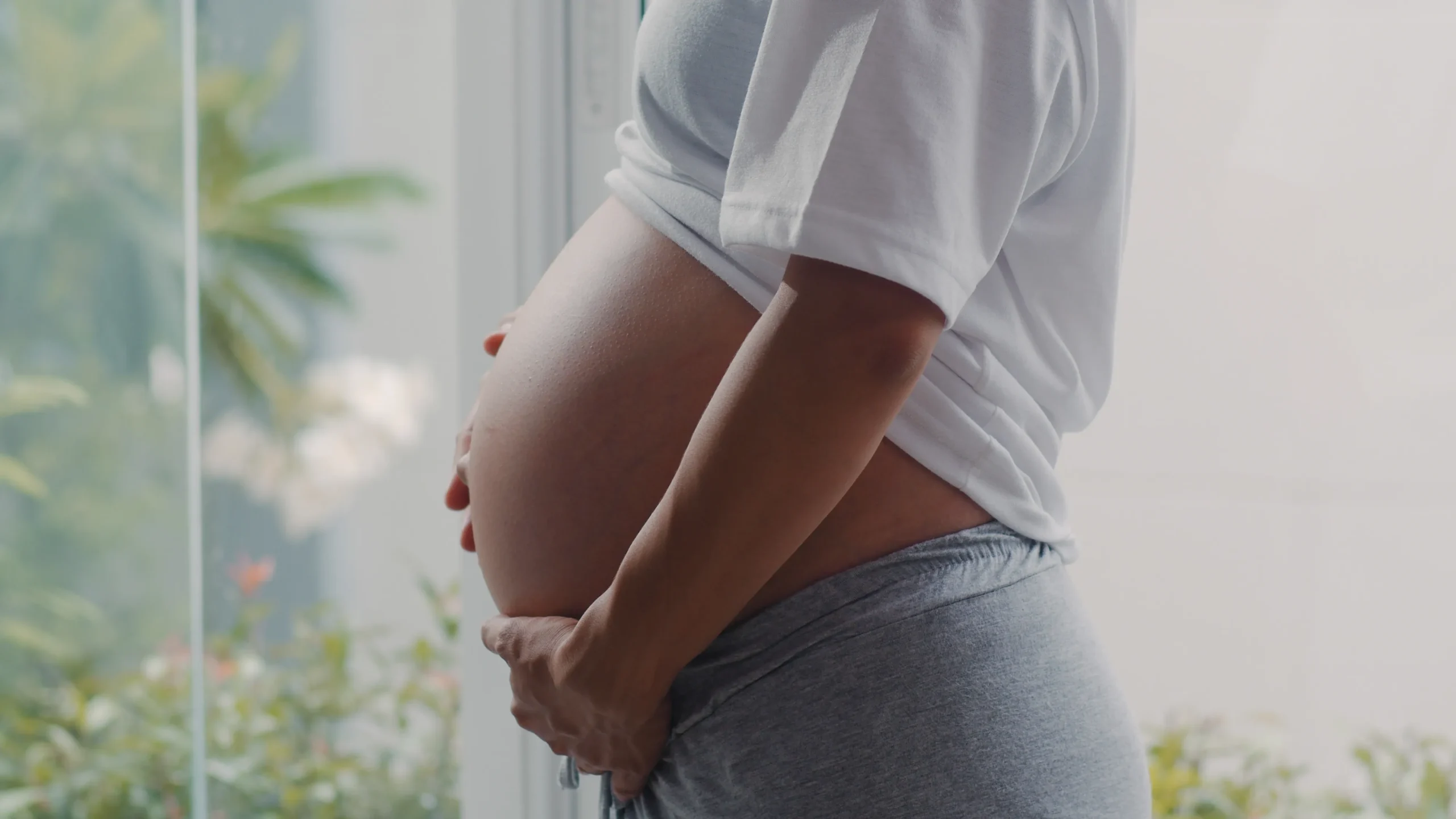
Pregnant: During pregnancy, blood vessels naturally enlarge, which can cause a drop in blood pressure, particularly during the first and second trimesters. This may add to dizziness or other symptoms of low blood pressure in pregnancy.
Severe infection: Severe infection causes generalised dilatation of blood vessels and a severe reduction in blood pressure. That’s one reason you should never dismiss a sudden, severe hypotension as merely “normal low BP.”
Nutritional issues and anaemia: Specific nutritional deficits may cause anaemia. Anaemia and hypotension are not the same, however, serious anaemia can induce weakness, dizziness and exhaustion, and may occur with low blood pressure.
What is Orthostatic Hypotension?
Orthostatic hypotension (sometimes termed postural hypotension) is a condition in which blood pressure decreases substantially when a person moves from a sitting or lying posture to a standing one.
Generally, blood pools in the legs when standing. The neurological system reacts by narrowing blood vessels and altering the heart rhythm to provide an adequate supply of blood to the brain. If this adjustment is inadequate, the blood pressure may decline, and symptoms may develop.
When can Low Blood Pressure Symptoms be Serious?
Seek immediate medical assistance if low blood pressure develops with:
- Loss of consciousness
- Severe confusion or breathing difficulty
- Chest pain
- A relatively weak or fast pulse
- Cold, pallid or clammy skin
- Excessive bleeding
- Severe or worsening weakness
- Symptoms of a severe infection
These may be signs of shock or another disease that might be life-threatening.
How is Blood Pressure Measured?
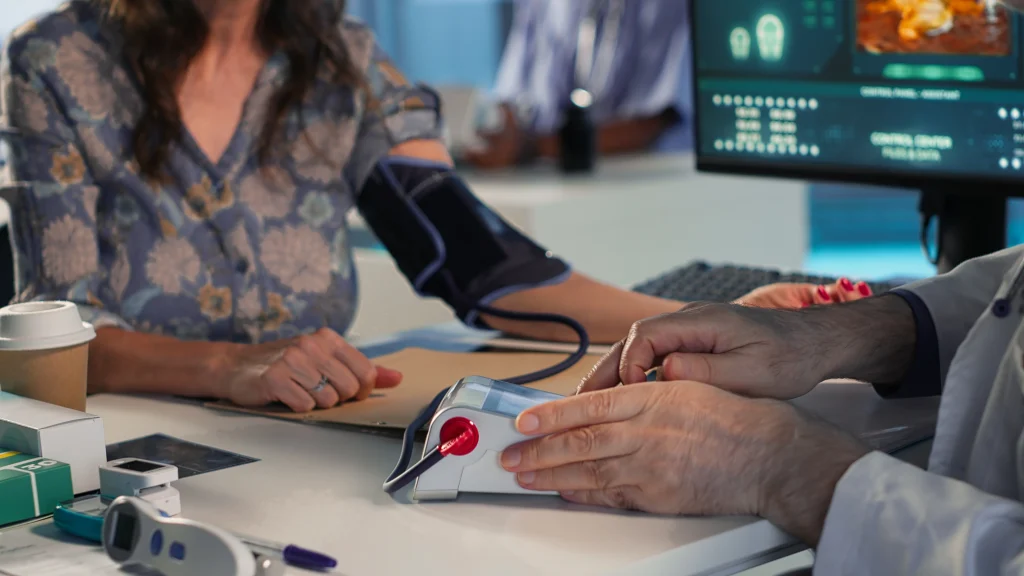
Blood pressure is measured with an inflated cuff put around the upper arm and a blood pressure instrument, electronic or manual.
If low blood pressure typically happens after standing, health care providers may check blood pressure and heart rate when a person is lying down and then again after they stand up. This may assist to detect orthostatic hypotension.
One low reading does not always suggest a person has a medical problem. Repeated readings, symptoms, prescriptions and medical history all assist in establishing if additional assessment is needed.
How is Low Blood Pressure Treated and Managed?
There’s not a one-size-fits-all low blood pressure symptoms treatment. Treatment depends on the underlying reason. If dehydration is the problem, replacement of fluids may help the blood pressure. Those with recurrent symptoms may also be advised to get up carefully, avoid standing for extended periods and drink enough fluids. Some persons with mealtime symptoms may find it helpful to eat smaller, more frequent meals.
Other management techniques may include:
– Review medications that may reduce blood pressure
– Treat any anaemia or endocrine problems present
– Heart problems management- Compression clothing when medically indicated
– Avoid excessive alcohol consumption
– Precautions in extremely hot areas
When Should You See a Doctor for Low Blood Pressure?
If you get dizziness, fainting, blurred vision, unusual weakness or other symptoms of low blood pressure frequently, consider seeing a doctor. Females who have symptoms of low blood pressure in pregnancy should also visit the doctor.
A medical assessment is especially crucial if symptoms are new, are happening more often, are interfering with everyday activities, or have started after taking or changing a prescription.
You might want to keep track of your blood pressure measurements and when you have symptoms so your health care specialist can see patterns.
Frequently Asked Questions
What is the normal blood pressure range, and when is it too low?
In adults, blood pressure below 90/60 mmHg is generally considered low. But there’s no way to tell a specific number at which all will become symptomatic.
Can dehydration cause low blood pressure?
Dehydration makes the volume of fluid moving through the blood vessels less, which can decrease blood pressure.
Can Low blood pressure cause vision problems?
Yes, low blood pressure can cause vision difficulties. When blood pressure drops, the brain and other organs, including the eyes, may not receive adequate blood flow. This reduced blood flow can lead to visual disturbances such as blurred vision, dimness or darkness at the edges of the visual field (peripheral vision), or even temporary loss of vision. These symptoms are often transient and resolve once blood pressure is restored to normal levels.
Can diet help manage low blood pressure?
Diet can assist in some cases. Drinking enough fluids and eating frequent, balanced meals might help prevent symptoms of dehydration or lengthy periods without food.
Are low blood pressure symptoms worse after standing up?
Yes, they can be. Symptom onset or exacerbation with a change in position from resting or sitting to standing might be due to orthostatic hypotension.