Understanding CRP Normal Range and Clinical Significance

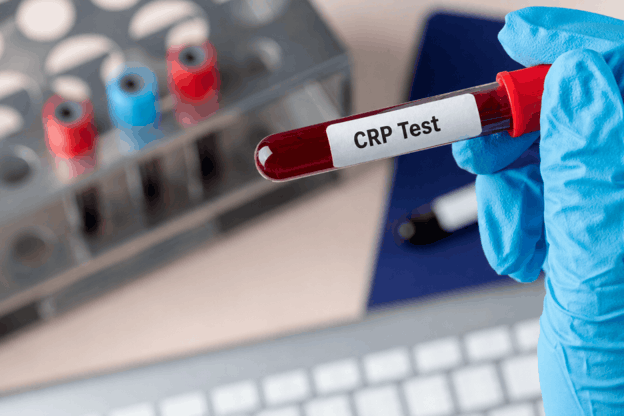
Inflammation is a common problem for many, ranging from joint pain to unseen threats to one’s heart health. The CRP test identifies the exact issue by a simple blood sample, alerting physicians when it comes to infections or chronic problems.
Understanding the CRP normal range allows you to be a step ahead, particularly when faced with a hectic lifestyle and home-related stress. Facilities like blood test home service are available for easy testing without having to visit a healthcare center.
Table of Contents
ToggleNormal Range of CRP Levels
Generally, the CRP test works well when it comes to detecting high levels of C-reactive protein found in the body when an infection occurs or when there is an injury. It gives doctors a better idea of what the issue is, whether it is a small cold or a more problematic bacterial threat.
In everyday Indian contexts, factors such as pollution or spicy diets can nudge levels slightly, but staying within the CRP normal range signals balanced heart health. Labs measure in mg/L, with results ready fast via blood test home service options. Always pair readings with symptoms for full context.
- Values below 3.3 mg/L for the CRP value is considered within the normal range for healthy individuals.
- Follow-up testing can confirm the return to normal levels of CRP after treatment.
High Sensitivity CRP
The highly sensitive CRP test is very effective at detecting low inflammation beyond the capability of other tests, making it a major asset when looking for signs associated with cardiovascular risks. In India, where stressful lifestyles, such as commutes and busy work lives, accelerate artery wear, this form of CRP testing is useful at detecting plaque buildups before blockages can be formed.
The test makes use of state-of-the-art technology with a precise detection of mg/L, most suitable for those who have borderline levels of cholesterol and/or diabetes in their family. disrupting daily routines.
| hs-CRP (mg/L) | Cardiovascular Risk |
| <1 | Low |
| 1-3 | Average |
| >3 | High |
Ways to Reduce CRP Levels
Bringing down CRP levels involves steady lifestyle adjustments that calm body-wide inflammation and bolster heart health over time. These steps suit busy Indian households, focusing on kitchen staples and simple routines. Track progress with a follow-up CRP test after 4-6 weeks via blood test home service. Consistent effort yields noticeable drops.
Adopt Anti-Inflammatory Foods
Incorporate turmeric, ginger, and garlic into daily curries and teas to curb swelling proteins like CRP. Fresh greens such as spinach provide antioxidants that soothe liver output. Opt for fatty fish or walnuts for omega-3s, reducing vessel irritation.
Stay Active with Regular Exercise
Aim for 30 minutes of brisk walking or yoga each morning to lower CRP by 10-20% over months. Cycle to work or climb stairs daily. This supports heart health, preventing plaque buildup.
Quit Smoking and Limit Alcohol
Fully cut out tobacco from your lifestyle because it raises the level of CRP drastically. Swap alcoholic drinks with herbal tulsi tea in the evenings. Cutting down on alcohol allows your liver to recover fast.
Focus on Quality Sleep
Try to get roughly 7-8 hours every night by dimming the lights early. Low quality of sleep can boost your CRP by as much as 25%.
Aim for Healthy Weight
Aim to lose extra weight through balanced thalis, containing half plate veggies. Tracking of weekly weight to track any minor weight loss and track your return to the normal range of CRP.
Conclusion
Being aware of the CRP normal range and getting tested is an ideal way to start turning your fatigue problems into clear actionable steps towards optimal health. Regular tests of CRP can be done through blood test home service, a convenient way to spot early risks for the heart.
Frequently Asked Questions
What is C-reactive protein (CRP)?
C-reactive protein is a substance that the liver makes quickly when body senses infection or injury. Doctors measure it via CRP test to gauge swelling anywhere.
What is the normal range for CRP levels?
The CRP normal range stays below 3.3mg/L for adults without any active issues. Healthy individuals hover under 3 mg/L often, per lab standards.
What do different CRP levels indicate?
Low CRP under 3.3mg/L shows quiet body state. Mid 10-100 mg/L points to infections needing rest or pills. Over 100 mg/L flags urgent bacterial fights or auto flares.
Can CRP levels be used to assess cardiovascular risk?
Yes, hs-CRP in CRP normal range like 1-3 mg/L warns average heart health risks ahead. Highs over 3 mg/L indicate the need for stronger checks for plaque buildup.
How is the CRP test performed?
The CRP test uses a quick arm vein blood draw, sent to lab for protein count.
What CRP level is considered dangerous?
CRP over 100 mg/L counts dangerous, signaling severe swelling or sepsis fast. Even 10+ mg/L needs close watch from doctors.
Do CRP levels change with treatment?
CRP drops quick with right treatment like antibiotics for bugs or other medication for viruses.
Are CRP levels affected by age or gender?
Age: CRP may rise slightly in older adults due to low-grade chronic inflammation, but normal reference ranges still apply.
Gender: Women can have mildly higher CRP (hormonal effects, pregnancy, OCP use), usually within normal limits.
Significant elevation usually indicates inflammation, not just age or gender.
Understanding your BMI is the first step toward better health. Use Suburban Diagnostics’ free BMI Calculator to check your score instantly. Check Your BMI Now