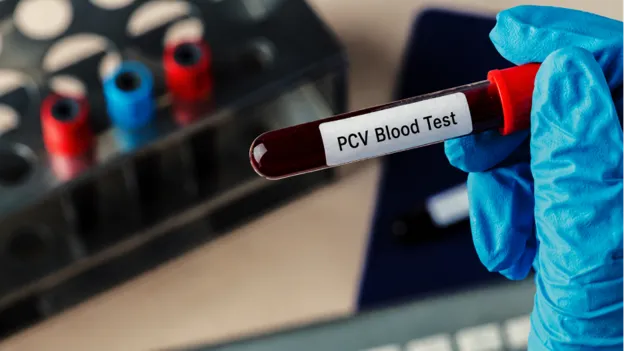
SGOT Test: Purpose, Test Results, Normal Range and Everything You Need to Know

The SGOT test is considered one of the vital diagnostic tools for determining the condition of the liver through blood testing. It is a way for doctors to measure possible damage or conditions that have occurred in the liver or other organs. Often run together, the SGOT and the SGPT together give you a more specific understanding of the exact nature of the enzymatic activity in your body.
Regular testing is very advantageous for anyone who might fall within predisposing factors such as the consumption of alcohol or certain drugs. Knowing what the results mean will help you in making informed choices regarding your overall health.
Table of Contents
ToggleWhat Is an SGOT Test?
The SGOT Test reads the amounts of serum glutamic-oxaloacetic transaminase, which is an enzyme that is found in the liver, heart, muscles, and kidneys. Higher amounts in the blood could mean cell injury that releases the enzyme.
Labs reports give the result for this test in units per liter, following a simple draw from the vein. It is often conducted as a part of more holistic liver health screenings. When interpretating the results of this test, medical experts will always take into account your age, gender, and symptoms.
Why Is the SGOT Test Conducted?
Doctors order the SGOT Test to evaluate unexplained fatigue, jaundice, or abdominal pain linked to liver health. Routine checks monitor chronic conditions like hepatitis. It tracks medication effects on organs too. Combined with SGPT Test, ratios reveal specific injury sites.
When Is the SGOT Test Recommended?
The SGOT Test has a number of applications in different situations where pro-active care is needed.
- As part of yearly evaluations for the liver’s health in at-risk individuals
- After viral infections or exposure to toxins.
- The progression of any existing alcoholic liver disease.
- Evaluating damage from heart attacks combined with analysis of cardiac markers
The early stages of testing can help thwart greater health issues effectively.
Preparation for the SGOT Test
There is no specific fasting requirement for most patients who are about to take the SGOT Test. There are a few things to keep in mind before you undergo an SGOT test:
- Avoid alcohol consumption for the last 24 hours before test performance for accurate results of liver health.
- These tests can be affected by recent food intake, so doctors sometimes recommend 8–12 hours of fasting to improve overall accuracy.
- Informed doctors about current medications, which affect enzymes.
- Preferably taken in the morning.
- Drink lots of water before the test.
How is the SGOT Blood Test Performed?
- The SGOT Test requires the standard blood sample taken from your arm vein, with the process lasting less than five minutes. Practitioners will clean the area before safely using the needle.
- Serum is analyzed in the lab within hours of being collected.
- Discomfort is minimal. The site of the blood draw may have slight bruising, but very rarely.
SGOT Test Normal Range
There are different ranges for males and females that help guide SGOT Test interpretation based on lab standards.
SGOT Normal Range
Healthy adults show SGOT Test values between 5 to 40 U/L generally. Slight variations occur by method or population.
Understanding SGOT Test Results
SGOT Test results above normal prompt further investigation into liver health. Low levels rarely concern. Ratios with the readings of a SGPT Test help in differentiating causes. Trends over time matter more than single readings.
Causes of Elevated SGOT Levels
High SGOT Test readings stem from diverse sources affecting enzymes.
- Viral hepatitis inflames liver cells massively.
- Alcohol overuse damages hepatocytes directly.
- Muscle injury from strenuous workouts releases enzymes.
- Heart muscle death elevates levels acutely.
Consultation clarifies context for liver health.
Difference Between SGPT and SGOT
Healthcare providers distinguish the SGOT Test from the SGPT Test based on their unique enzyme profiles and tissue locations, which prove essential for accurate liver health evaluations.
While both tests measure transaminases released during cell damage, SGOT appears in broader sites like the heart and muscles, unlike the liver-dominant SGPT. This difference allows clinicians to narrow down injury sources effectively through comparative analysis.
- SGOT exists in multiple organs such as the heart, liver, and skeletal muscles, whereas SGPT remains almost exclusive to liver hepatocytes.
- An SGOT/SGPT ratio below one frequently points to viral hepatitis as the primary culprit.
- SGOT levels climb higher in cases of alcoholic liver injury, in contrast to SGPT prominence during non-alcoholic fatty liver development.
Risks and Complications of the SGOT Test
- The SGOT Test carries minimal risks like brief pain or bruising at the site.
- Fainting can occur rarely in needle-phobic individuals.
- Infection chances are negligible with sterile and safe techniques.
How to Manage Elevated SGOT Levels
Look to consider root causes if your SGOT Test reveals that the readings are high. This means addressing the following
- Cut out consumption alcohol and hepatotoxic drugs.
- Follow low-fat diets that aid in liver regeneration.
- Antiviral drugs are helpful in the treatment of hepatitis infections.
Getting follow-up SGPT tests allow you to gauge your level of improvement.
Benefits of the SGOT Test
The SGOT Test enables early liver health intervention saving lives.
- Detects silent damage before symptoms appear.
- Monitors treatment efficacy in a clear manner.
- Guides smart and safe medication choices.
Conclusion
The SGOT Test is imperative in monitoring liver function in the face of all the new modern threats to one’s health. Alongside SGPT Test results, it reveals enzyme activity – helping guide possible strategies for treatment or intervention.
Frequently Asked Questions
What does SGOT stand for?
SGOT stands for Serum Glutamic Oxaloacetic Transaminase. This enzyme test evaluates cellular damage primarily in the liver.
Why is the SGOT Test Important?
The SGOT Test identifies liver injury early, preventing progression to serious disease. It supports timely interventions for better outcomes.
What is a dangerous SGOT level?
Levels exceeding 100 U/L on SGOT Test signal significant concern warranting immediate evaluation. Values over 1000 indicate severe damage.
When Should You Get an SGOT Test?
Obtain SGOT Test during routine liver health screens or with symptoms like jaundice. High-risk groups test more frequently.
How often should SGOT be tested?
Annual SGOT Test suffices for healthy adults. Those with risks monitor quarterly alongside SGPT Test.
Can SGOT detect early liver damage?
Yes, SGOT Test flags subtle liver health shifts before overt signs emerge. Sensitive marker for proactive care.
Can exercise increase SGOT levels?
Intense exercise temporarily raises SGOT Test from muscle breakdown. Rest before testing yields accurate results.
Are SGOT and AST the same?
SGOT Test measures AST, the international term for this enzyme. Both assess identical liver health parameters.
What is the SGOT/SGPT ratio and why is it important?
The SGOT/SGPT ratio helps distinguish alcoholic from viral liver injury. Values guide precise diagnosis and treatment.
What conditions can lower SGOT levels?
Low SGOT Test rarely signals issues like malnutrition or vitamin B6 deficiency. Usually remains within normal bounds.
Understanding your BMI is the first step toward better health. Use Suburban Diagnostics’ free BMI Calculator to check your score instantly. Check Your BMI Now