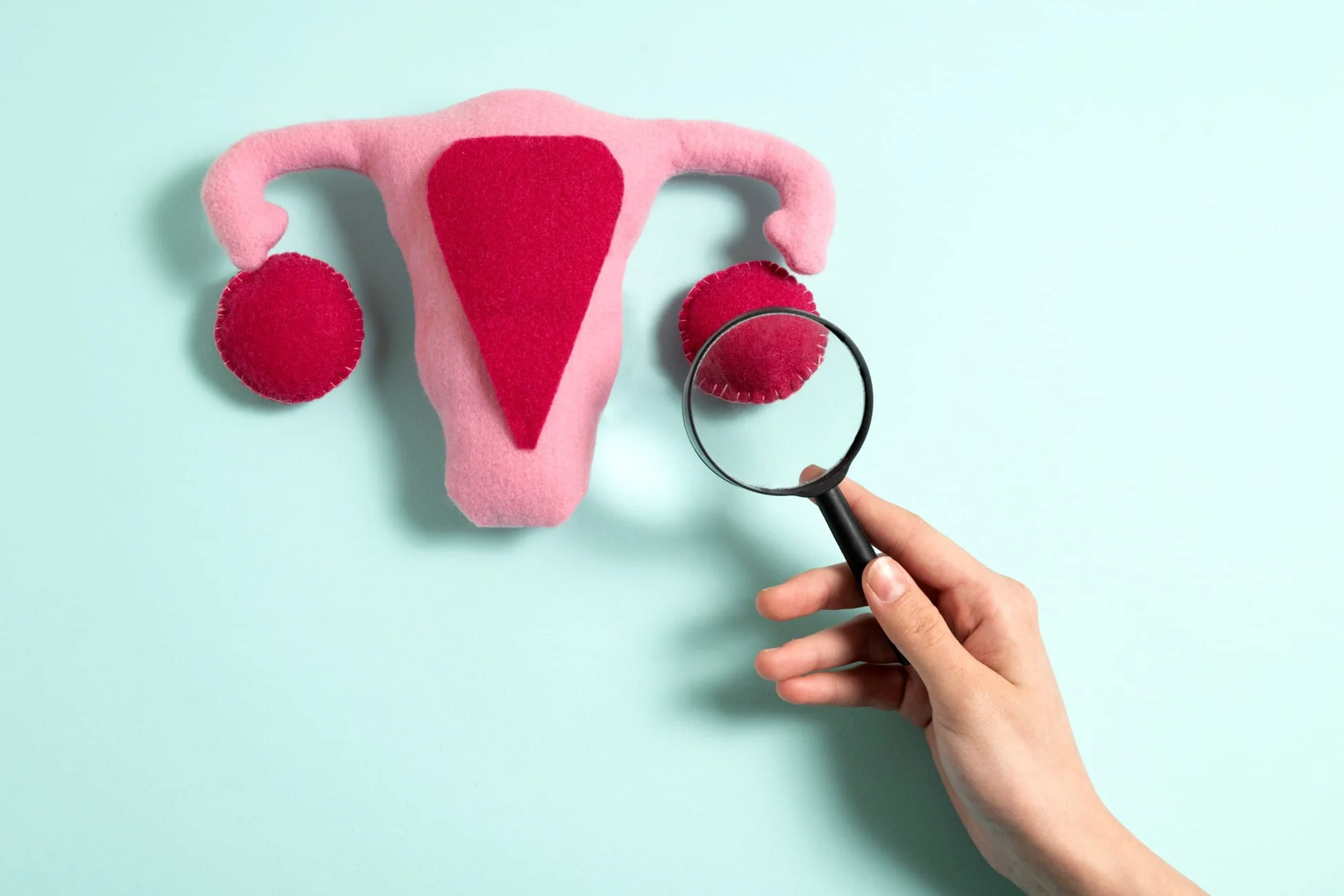
What is PCOD: Understanding the Condition, Its Triggers, and Treatment Options
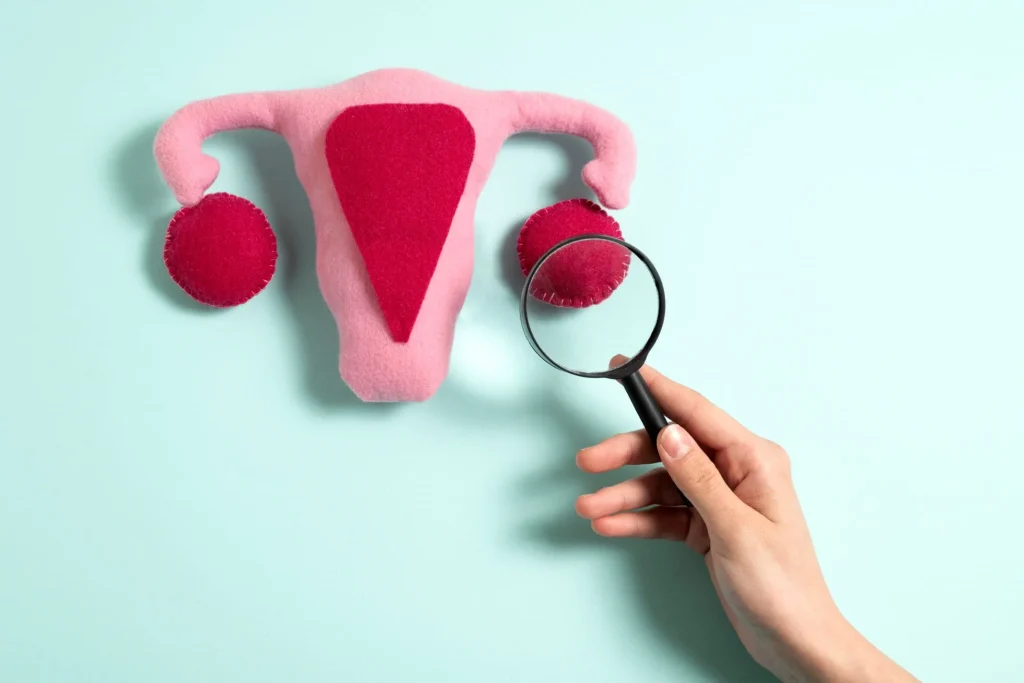
Polycystic ovarian syndrome is a hormonal and reproductive illness that is frequently diagnosed. It is defined by irregular periods, ovulation issues, acne, increased hair growth, weight fluctuations and trouble conceiving. “PCOD is a commonly used term, but PCOS is the accepted clinical term used in current guidelines.” PCOD and PCOS are terms that are often used interchangeably, particularly in India. However, PCOS (polycystic ovary syndrome) is the accepted clinical term used in current medical guidelines. If you have been told that you have “PCOD,” your doctor can assess your symptoms and investigations according to the current diagnostic criteria for PCOS.
Table of Contents
ToggleWhat Is PCOS and How Does It Affect the Body?
The common description of PCOD is that the ovaries may have many small, immature follicles and may not release an egg on a regular basis. It can lead to irregular periods and other hormone-related symptoms. Disrupted ovulation is a key feature. In clinically diagnosed PCOS, excess androgen activity and ovulatory dysfunction are particularly relevant.
What is a PCOD Problem in Females? Common Signs to Know
The answer to what is PCOD in females can be different from person to person. Some women have mainly irregular periods, some have acne, unwanted facial hair, weight changes or fertility problems.
Irregular or Missed Periods
One of the most noticeable symptoms is irregular periods. Periods may become less regular, unpredictable and sometimes missed. Some women may also have heavy or prolonged bleeding after a long gap.
Weight Changes and Difficulty Losing Weight
Many women find it difficult to control their weight, especially around the waist, and may gain weight. Insulin resistance can lead to increased hunger, metabolic changes and increased difficulty of maintaining a normal weight.
Acne, Excess Facial Hair, and Hair Thinning
Increased androgen activity can cause oily skin and acne, especially on the face, chest or back. Some females develop hirsutism, which is excessive coarse hair in such areas as the chin, upper lip, chest or abdomen.
Fertility and Ovulation Problems
Irregular ovulation can make it more difficult to conceive. This does not mean that PCOD is the cause of all infertility. Most women with PCOS can conceive naturally or with proper treatment.
Mood, Sleep, and Other Less-Discussed Symptoms
PCOS can impact more than your periods and fertility. Women may have anxiety, depression, negative body image, tiredness or sleep problems. Sleep apnoea is also more common in women with PCOS, especially if obesity is present.
What Causes PCOD? Understanding its Main Triggers
PCOD or PCOS does not have a single cause. It looks like a combination of genetic, hormonal and metabolic factors.
- Genetics
- Insulin resistance
- Androgen excess
- Lifestyle and metabolic factors
How is PCOD diagnosed?
There is no one blood test that can diagnose PCOS. Diagnosis depends on history, examination and selected investigations. PCOS is generally diagnosed in adult women when at least two of the three features are present after the exclusion of other possible causes:
- Irregular or absent ovulation, most often seen as irregular menstrual cycles.
- Clinical or biochemical evidence of androgen excess, e.g. hirsutism, elevated testosterone.
- Evidence of polycystic ovarian morphology on ultrasound with updated guidelines also allowing anti-Müllerian hormone (AMH) as an alternative measure of ovarian morphology in appropriate adults.
AMH may be used instead of ultrasound to identify polycystic ovarian morphology in adults; AMH alone cannot diagnose PCOS.” Depending on the symptoms, doctors might also order tests such as thyroid function, prolactin, androgen levels and glucose-related investigations.
What Problems Can PCOD Cause if Left Unmanaged?
If ovulatory and metabolic problems persist, the risk of several complications may be increased. Some of these may be: – Difficulty in conceiving due to irregular ovulation; insulin resistance and Type II diabetes – Elevated blood pressure and abnormal cholesterol levels Metabolic syndrome and obesity – Sleep apnoea- Endometrial hyperplasia and ultimately increased risk for endometrial cancer if anovulation remains untreated – Anxiety, depression and poor quality of life – Complications of pregnancy, such as gestational diabetes and hypertensive disorders.
How is PCOD Managed?
There is no one treatment that works for all women. Management is based on symptoms, metabolic health, reproductive goals and individual risk factors.
Lifestyle measures: Metabolic health can improve with a well-rounded diet, regular physical activity, adequate sleep and sustainable weight management.
Menstrual management: Cyclic progestogens or hormonal contraceptives may be used for the regulation of bleeding and protection of the endometrium, where appropriate.
Metabolic management: Metformin can be considered in specific women, especially if metabolic abnormalities or insulin resistance are present.
Acne and excess hair Hormonal contraceptives, anti-androgen medicines and dermatological treatments can be used based on the circumstances.
Fertility treatment: If women are trying to conceive, appropriate use of ovulation-induction medicines and assisted reproductive techniques may be considered.
Can PCOD Be Prevented or Managed Long Term?
There is currently no cure for PCOS, but symptoms and long-term health risks can be effectively managed. as In PCOS genetics and other biological factors play an important role. But its symptoms and long term health risks can be managed effectively. Regular physical activity, a nutrient-rich diet, adequate sleep, stress management, and a healthy weight, as appropriate, can support metabolic and reproductive health.
Most importantly, PCOD/PCOS should be considered a chronic health issue, not just a temporary menstrual issue. Early detection and individualised treatment can make a huge difference.
Frequently Asked Questions
Can PCOD cause infertility?
Irregular ovulation can make it harder to conceive since it may reduce the likelihood of an egg being released regularly. But PCOD or PCOS does not mean permanent infertility.
Does PCOD always cause ovarian cysts?
No. The ovaries may have several small follicles but these may not be true pathological cysts. Importantly, ovarian cysts are not necessary for a diagnosis of PCOS.
Is PCOD the same as PCOS?
The terms are often used interchangeably, especially in India. However, PCOS is the accepted clinical syndrome used in current international guidelines.
Can PCOD cause weights gain?
Yes, you can gain weight partly because insulin resistance and metabolic changes can make it more difficult to control your weight. But not all women with PCOS are overweight, and PCOS can affect women of normal weight.
Can women with PCOD get pregnant?
Yes. Many women with PCOD/PCOS can have a pregnancy. If irregular ovulation is a cause of your problems conceiving, medical treatment can stimulate ovulation and improve your chances of conceiving.
Can PCOD develop after the age of 30?
Symptoms may develop or be diagnosed later in life, after the age of 30. PCOS usually appears in adolescence or early adulthood, but it may not be diagnosed for years. PCOD is not the only explanation for new menstrual or androgen symptoms after age 30 and these should still be investigated.
Can PCOD increase the risk of diabetes?
Yes. PCOS is linked to insulin resistance and a higher risk of developing type 2 diabetes. This is why long term metabolic monitoring is an important aspect of care.