
What is PCV in Blood Test? Purpose, Test Results, Normal Range and Much More
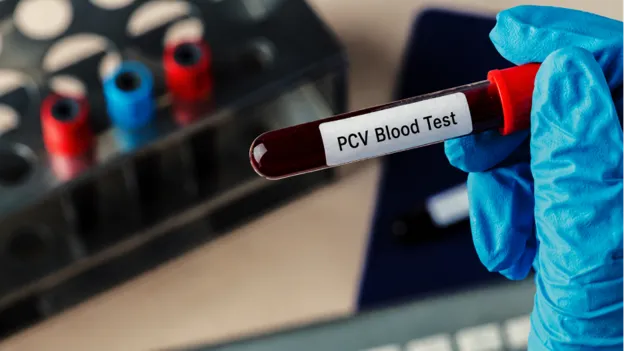
Fatigue affects many people quite vigorously, because of busy days or just meal gaps, often not knowing what is PCV in blood test right away. This simple test, part of the complete blood count test, indicates the percentage of red blood cells, essential for oxygen transport throughout the body.
Families can use it to recognize anemia early – especially when higher risk factors for anemia such as low iron intake come into play, this helps tremendously. Expecting mothers and kids in different stages of growing can benefit a lot from having these numbers. Including an RBC evaluation will give you an even clearer perspective for the best possible daily energy levels.
Table of Contents
ToggleWhat is the PCV Test?
One may wonder what is PCV in a blood test. PCV refers to “Packed Cell Volume” or “hematocrit,” indicating the proportion of red cells within the total volume of blood. A tube is filled with blood samples and spun quickly so that cells are packed down and then the “packed cell volume” or PCV can be properly measured.
Good PCV levels mean your body can efficiently deliver oxygen to the muscles and brain throughout the day. A drop in PCV levels may indicate anemia and might require dietary changes or medical treatment. Higher PCV levels can sometimes suggest dehydration or other health conditions. Doctors usually measure PCV as part of a Complete Blood Count (CBC) test to get a quick overview of your overall blood health.
Procedure: How the PCV Test is Done
The PCV test helps doctors detect problems in the blood early, such as reduced oxygen-carrying capacity that may cause fatigue and weakness. It can also help identify conditions like anemia, blood loss, or infections that may lower red blood cell levels.
Understanding what a PCV blood test measures is important for people who want to monitor risk factors for anemia, such as poor iron intake or habits that affect iron absorption.
Pregnant women often undergo this test to ensure they have adequate red blood cell levels to support both their health and their baby’s development.
As part of a Complete Blood Count (CBC) test, the PCV test is commonly evaluated along with the RBC (red blood cell) count to assess overall blood health.
Athletes and people who work in hot environments may also monitor PCV levels, as dehydration and excessive sweating can increase blood concentration.
Preparation Before the PCV Test
No special preparation is usually required for a PCV test, and fasting is generally not necessary. This makes the test convenient and easy to schedule at any time of the day.
It is recommended to drink enough water before the test, as proper hydration helps maintain normal blood volume and improves the accuracy of results.
Avoid intense exercise and alcohol consumption the night before the test, as they may temporarily affect your blood values.
You should also inform your doctor or lab technician about any medications you are taking or any recent illnesses, as these factors may influence the test results.
Understanding PCV Test Results
PCV test results are usually available quickly and are interpreted based on factors such as age, gender, and overall health. Doctors evaluate the results alongside your medical history and lifestyle to provide a more accurate assessment.
It is important to remember that the numbers alone do not provide a complete diagnosis. Healthcare professionals also consider your symptoms, medical history, and results from other related tests to understand your overall health condition.
Normal PCV Range
The normal range for men remains consistent at 40 to 50 percent in PCV for solid oxygen levels. The range for women is at 36 to 46 percent, considering monthly flows or pregnancy. Children can range from 30 to 44 percent as they can build up quickly. Remember these ranges to help keep you strong and energized through long days.
High PCV
High PCV levels occur when the percentage of red blood cells in the blood is higher than normal. In many laboratories, PCV values above 54% in men and 48% in women are generally considered elevated, although normal ranges may vary slightly between labs.
Increased PCV can occur due to dehydration, which reduces the plasma (fluid) portion of the blood and makes red blood cells appear more concentrated. It may also be seen in smokers, people living at high altitudes, or individuals with certain lung conditions where the body produces more red blood cells to compensate for lower oxygen levels.
Persistently high PCV levels may indicate underlying health conditions and should be evaluated by a doctor. Maintaining proper hydration and following medical advice can help manage or further investigate the cause.
Low PCV
Low PCV below normal values indicates that you should definitely test for anemia and is strongly linked to low iron intake in the diet, which is a major risk factor for anemia. Prolonged illness or bleeds in the gut can drive values low. Paired with your RBC results, it may reveal that cells have become smaller too. Spinach is a fast-acting remedy to correct mild anemia.
Conclusion
Understanding the PCV value in a blood test can help you identify potential issues early and take steps to improve your overall health and reduce fatigue. Getting a yearly Complete Blood Count (CBC) test can help detect early signs of anemia and other blood-related conditions before symptoms begin to cause serious problems.
Frequently Asked Questions
What does a PCV test measure?
A PCV test measures the percentage of red blood cells in the total volume of blood, indicating the blood’s oxygen-carrying capacity.
Is fasting required before a PCV test?
Fasting is not required before a PCV test, which makes it convenient for morning or anytime visits.
How is the PCV test different from a hemoglobin test?
The PCV test determines the volume ratio of red blood cells in blood, while the hemoglobin test measures the protein inside those cells that carries oxygen.
What can cause a high PCV level?
Dehydration from insufficient water intake, smoking, or living at high altitudes can cause a high PCV level by concentrating red blood cells in the blood. Certain conditions like polycythemia also increase red cell production abnormally.
What can cause a low PCV level?
Nutritional deficiencies such as low iron, chronic bleeding, or prolonged infections can cause a low PCV level, often linked to risk factors of anemia. Pregnancy naturally lowers it due to increased plasma volume.
How long does it take to get PCV test results?
PCV test results typically arrive within a matter of hours from the lab, especially when part of complete blood count test.
Can the PCV test detect anemia?
Yes, the PCV test can detect anemia effectively, as low levels signal reduced red blood cell volume in a complete blood count test.
Understanding your BMI is the first step toward better health. Use Suburban Diagnostics’ free BMI Calculator to check your score instantly. Check Your BMI Now