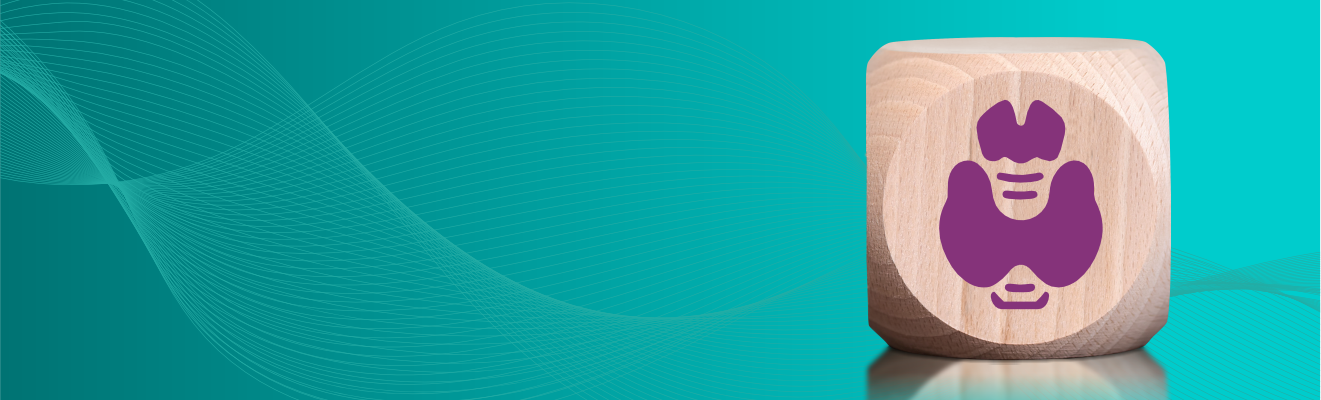
Thyroid Health :What It Does, Disorders & Diagnostic Tests
Overview
Your thyroid is a key cog in controlling your metabolism and many important body processes. Disturbances in thyroid hormone levels can influence anything from energy to mood, weight, and even heart health. This guide takes you through the anatomy of the thyroid gland, typical disorders, primary symptoms, diagnostic tests, lifestyle tips, and the future of thyroid treatment to make you better equipped and proactive about maintaining your thyroid health.
Anatomy & Function of the Thyroid Gland
The thyroid is a small, butterfly-shaped gland that lies at the front of your neck below the Adam's apple. It may be small, but this gland secretes hormones - mainly Thyroxine (T4) and Triiodothyronine (T3) - that control the metabolism of the body, dictating how your cells derive energy. The levels of these hormones are controlled by the secretion of Thyroid Stimulating Hormone (TSH) from the pituitary gland, which works similarly to a thermostat in keeping levels balanced.
The effects of thyroidhormones are far-reaching. They influence body temperature, heart rate, muscle strength, cholesterol levels, and even brain development in children. Thus, maintaining healthy thyroid function is essential for overall wellbeing.
Thyroid Test
Sorry, no packages found
Common Thyroid Conditions & Risk Factors
Hypothyroidism
 Causes:Autoimmune diseases such as Hashimoto's thyroiditis, iodine deficiency, thyroid surgery, or radiation therapy.
- Symptoms:Fatigue, weight gain, feeling cold, dry skin, hair thinning, depression, constipation.
- Risk factors:More common in women, especially post-pregnancy and over 60 years old.
Hyperthyroidism
- Hyperthyroidism Causes: Autoimmune conditions like Grave’s disease, toxic nodules, excessive iodine intake.
- Side effects of hyperthyroidism include rapid heartbeat, weight loss, sweating, irritability, insomnia, shakiness.
- Signs of hyperthyroidismcan include palpitations, heat intolerance, and nervousness.
- Risk:Women aged 20-40 are most susceptible, though hyperthyroidism in men is also significant.
Thyroid Nodules or Goiter
- Enlarged thyroid or lumps which may or may not affect hormone production.
- Symptoms may include visible swelling, difficulty swallowing, or breathing issues.
Autoimmune Thyroid Disorders
- These include Grave’s disease (hyperthyroidism) and Hashimoto’s thyroiditis (hypothyroidism).
- Risk is higher with family history, female gender, and other autoimmune illnesses.
Recognizing When to Seek Help
Recognizing early signs can prevent complications:
- Weight & Energy:Notice sudden or unexplained weight changes and persistent fatigue.
- Mood & Sleep:Anxiety, irritability, or insomnia could be clues.
- Physical Changes: Thinning hair, dry skin, sensitivity to cold or heat, neck swelling.
If you notice these or hyperthyroidism symptoms in females or males, it is important to consult a healthcare professional and get a comprehensive thyroid test.
Diagnostic Tests & Evaluation
| Test | Purpose | Sample Type |
|---|---|---|
| TSH Test | Evaluates overall thyroid function | Blood |
| Free T4 & Free T3 | Measures active thyroid hormone levels | Blood |
| Thyroid Antibody Test | Checks for autoimmune thyroid disorders | Blood |
| Thyroid Ultrasound | Detects nodules, enlargement, or inflammation | Imaging |
Early and accurate diagnosis using these tests ensures timely thyroid treatment. etc
Lifestyle, Treatment & Prevention
Balanced Nutrition
Diet plays a vital role in thyroid function. Key elements include:
- Food for thyroid health:Incorporate iodine-rich foods such as sea salt, seafood, and dairy products. Iodine is essential for the production of thyroid hormones, so maintaining adequate iodine levels through diet is crucial for healthy thyroid function. Additionally, selenium-rich foods like Brazil nuts, lentils, and sunflower seeds support the conversion of T4 to the active T3 hormone, enhancing its effectiveness in the body. Including vitamin D through sunlight exposure or fortified foods also helps boost immune regulation, which plays a role in preventing autoimmune thyroid disorders.
- Be mindful of thyroid foods to avoid: Excessive consumption of soy products and raw cruciferous vegetables like broccoli, cauliflower, and cabbage can interfere with iodine uptake if eaten in very large amounts regularly. While these foods are generally healthy, individuals with thyroid concerns should moderate their intake and consider cooking these vegetables to reduce the goitrogenic effect. Avoiding processed and high-fat foods is also important, as they can contribute to weight gain and metabolic disturbances, worsening symptoms associated with thyroid imbalance.
- Sustained balanced nutrition supports the power of thyroid hormone production and your general metabolic functioning. Regular eating habits and a varied diet guarantee your body all the micronutrients it needs, which are the basis of endocrine well-being. Deficiencies can develop into worsening thyroid function or aggravate symptoms, so monitoring dietary requirements and making changes on a regular basis is advantageous, particularly when considering hypothyroidism or hyperthyroidism diet.
Lifestyle Habits
- Stress management via yoga, meditation, and adequate sleep helps modulate thyroid function. Chronic stress elevates the hormone cortisol, which can interfere with thyroid hormone production and function. Techniques like mindfulness meditation reduce stress responses and inflammation, indirectly supporting the thyroid gland’s regulatory mechanisms and overall thyroid health.
- Regular exercise supports metabolism and mood stability, both linked to thyroid health. Physical activity improves insulin sensitivity and cardiovascular fitness, which are often compromised in thyroid disorders. Exercise also helps regulate body weight, which is essential for managing symptoms of hypothyroidism or hyperthyroidism.
Medication
Hypothyroidism is usually treated with levothyroxine, a synthetic hormone replacing deficient T4. Hyperthyroidism treatments range from antithyroid drugs and radioactive iodine therapy to surgery in severe cases.
Monitoring and Follow-Up
Frequent thyroid test monitoring guides medication adjustment and tracks disease progression or remission with your healthcare provider.
Future of Thyroid Care
Precision medicine aims to tailor treatments based on genetic and lifestyle factors. Emerging wearable hormone monitors and AI-based diagnostics promise real-time thyroid function tracking, suggesting treatment tweaks before symptoms worsen. Such trends empower patients and clinicians alike to achieve finer control over thyroid health.
FAQ's

Conclusion
Conception to childbirth is a special journey filled with new experiences, challenges, and immense joy. Recognizing thyroid test, Understanding your thyroid and recognizing signs of hyperthyroidism or hypothyroidism early can prevent serious health challenges. Whether you’re managing existing conditions or seeking preventive care, regular thyroid test creenings are invaluable tools. Suburban Diagnostics offers comprehensive thyroid test profiles with easy home sample collection and reliable reports to help you stay on top of your thyroid health journey.
Related Blogs
View All